


Know-how
Door security: Extensive break-in protection
scroll down
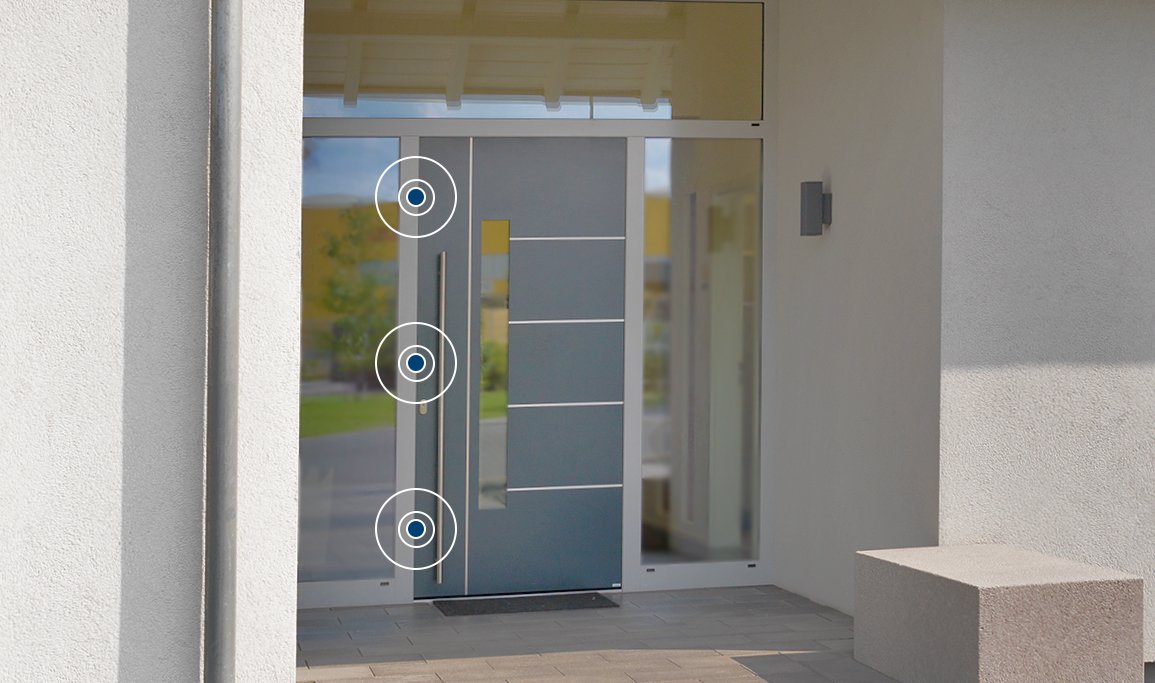
Multipoint locking systems provide reliable protection against break-in attempts
A break-in takes place every four minutes in Germany. More than a third of these break-ins take place during the day, mostly when no one is home. Many break-in attempts, however, take place in the evening or at night, usually in the darker months between October and March. Burglars are opportunists, meaning their equipment is often limited. This means that the more difficult the break-in attempt is, the more likely it is that the perpetrator will give up and flee.
Police and insurance experts therefore recommend using multipoint locking systems in accordance with DIN EN 1627 ff. RC2 for front and apartment doors. This provides effective prevention against break-ins and theft. Elements of this resistance class stay intact for at least three minutes during break-in attempts, often causing the burglar to flee. Burglar resistant doors and windows need to be certified to at least protection class RC 2 in the private sector – for the commercial sector the standards are even higher. Multipoint locking systems with roller spigots do not achieve this resistance class. Automatic multipoint locking systems with hook bolts are better suited as they lock deep into the strike plate.
Additional alarm systems, including in combination with SmartHome systems, can be suitable for apartment buildings in particular as a complement to mechanical break-in protection. Whatever level of protection you go for, all anti-break-in measures should be implemented by a trained professional. Contact a specialised company or refer to the police’s information centre to find the suitable solution for individual circumstances.
Fittings for burglar-proof front doors
How can I secure my front door?
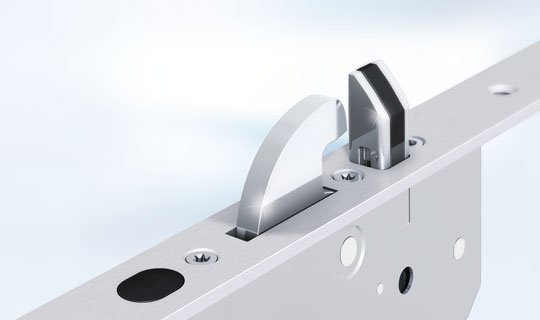
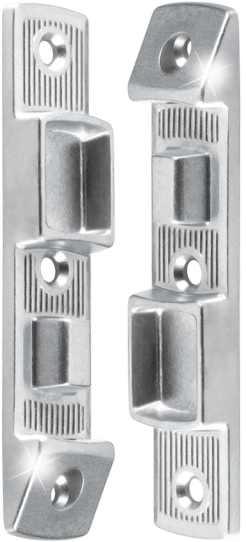
The use of mechanical security technology in the form of a multipoint locking system should always be the basis of any security system. This can prevent up to 90% of break-ins via the front door in private apartment buildings. The door is always securely locked at several points. The constant contact pressure via three locking points reduces energy loss and permanently prevents any potential door warping. Automatic locking also means there is no need for tedious locking up as the door is automatically secured after it closes. We also recommend locks with solid hook bolts (FUHR locking types 3, 10 and 11) in combination with full-length one-piece strike plates in the door frame. The hook bolts extend deep into the strike plate and prevent the door from being removed.
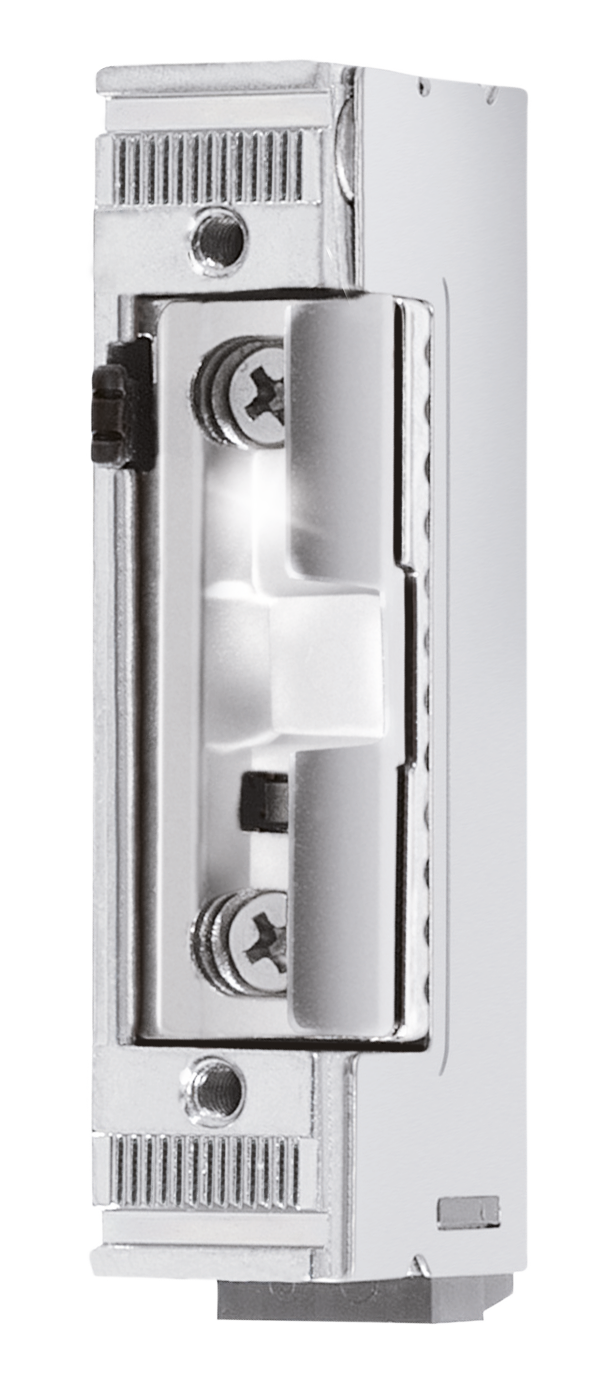
Fully motorised multipoint locking systems, e.g. FUHR multitronic 881GL, are particular secure and convenient, quickly and quietly locking automatically once the door is closed. Access controls systems and SmartHome elements can also be integrated into these systems for motorised door opening.
Security with SmartHome applications
How do SmartHome elements add to security?
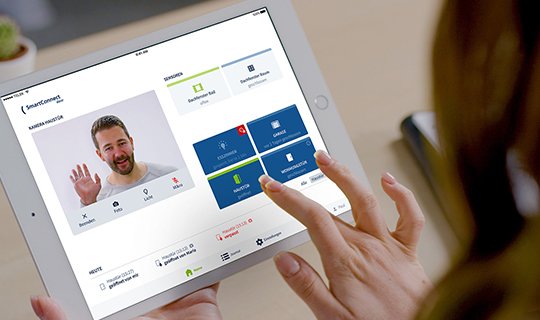
According to a GfK study, half of all those interested in SmartHome systems value the ability to monitor and control their home while on the go. Connecting security technology with other systems in the home via the Internet offers new possibilities for operating burglar alarms and danger warning systems. Owners can monitor their front door or check on the status of other integrated elements, such as windows or garage doors, at any time from wherever they are via an app.
Presence simulation and proper use of the app can make the home less attractive for intruders. By controlling lights and electric shutters via the SmartHome app, you can give the illusion of being at home, even when you’re not (e.g. when you’re on holiday). Automated lighting of entrance areas, driveways and side/back entrances acts as a deterrent.
With an intelligent video intercom system on the front door, such as FUHR SmartConnect door, you can even interact with your visitors and always see who is standing at your door. The SmartConnect app also allows users to manage and track access – including with photo protocol. The app immediately sends a notification to your smartphone or tablet as soon as someone rings the doorbell. A motorised multipoint locking system is required for this.
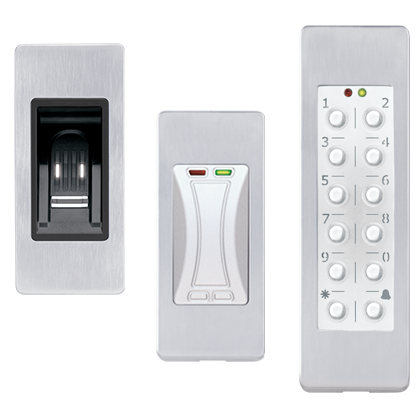
In addition to the door, SmartConnect door can also be connected with other SmartHome elements and set up with individual authorisations. This allows you to open the door for deliveries remotely or provide temporary access for tradespeople. Keyless access is also possible via a smartphone, radio key, finger scanner or transponder for even more security.
How secure are SmartHome systems?
Only high-quality systems that comply with security standards and which are installed by trained professionals can guarantee effective protection against manipulation. SmartHome technology can only serve as extra protection to mechanical locking systems. It does not offer reliable protection against break-ins on its own.
Communication between such systems is encrypted in accordance with the latest technology standards and offers a much higher level of security than conventional keys. For radio-based systems, e.g. FUHR SmartTouch, access is additionally protected with a radio coverage radius of just one metre.
Reliable security with FUHR SmartHome
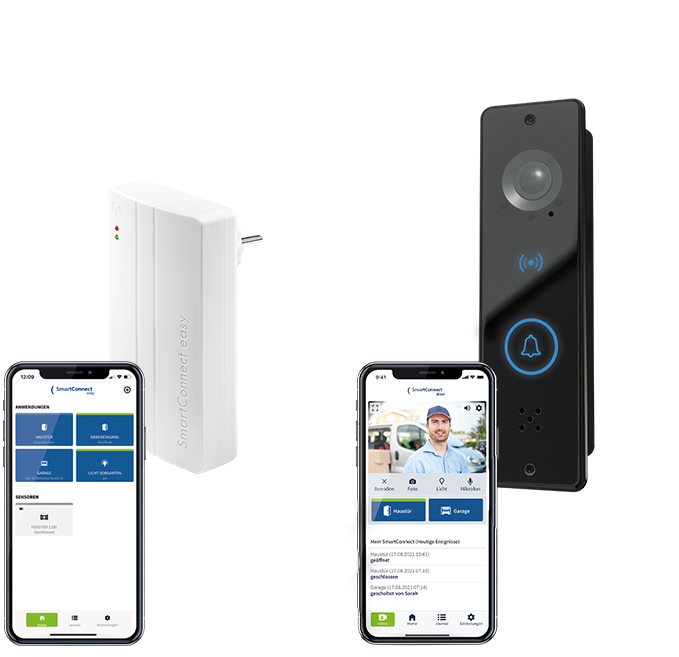
Our SmartHome products SmartConnect door and SmartConnect easy have been developed in line with the latest security standards and offer increased protection against manipulation:
- Secure encryption mechanisms comparable to online banking
- Password-protected administrator area
- Logging of access, changes and settings
- Monitoring of door status of multitronic 881GL and autotronic 834/836 motor multipoint locking systems
- Push notifications for changes to door status
Securely retrofit side and back doors
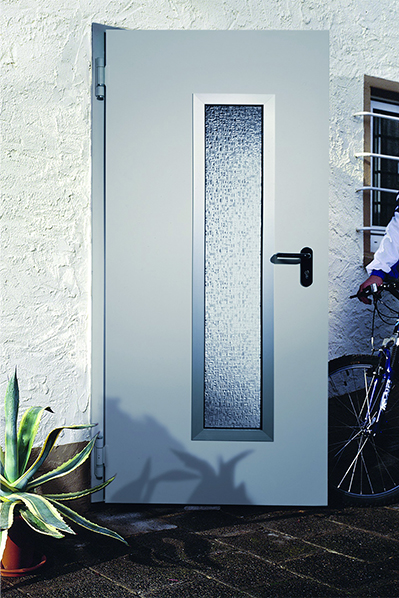
Side/back doors and cellar light shafts are often forgotten when it comes to break-in protection. That’s what makes these popular targets for burglars as most of these entrances are not visible from the street. Side and back doors should therefore also be equipped or retrofitted with multipoint locking systems.
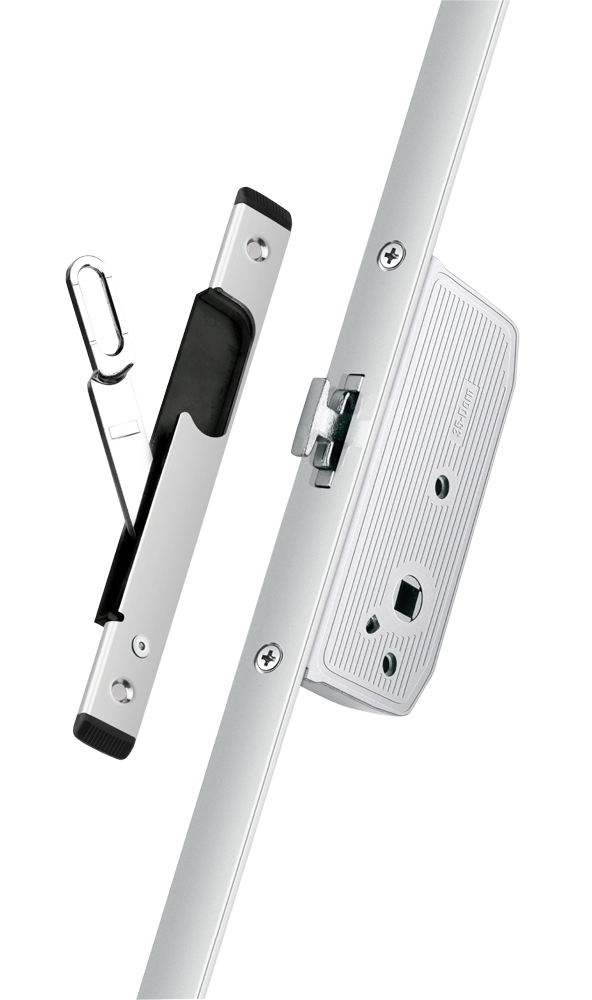
In addition to automatic multipoint locking systems, FUHR also offers cost-efficient solutions for the desired door security. Choose from a range of key or lever-operated locking systems with a variety of locking types from the multisafe product series. Our range also includes flexible retrofitting or replacement solutions to make your front and side/back doors even more secure.
It is also possible to monitor the status of windows, doors and gates with SmartHome applications (e.g. window contacts) via an app.